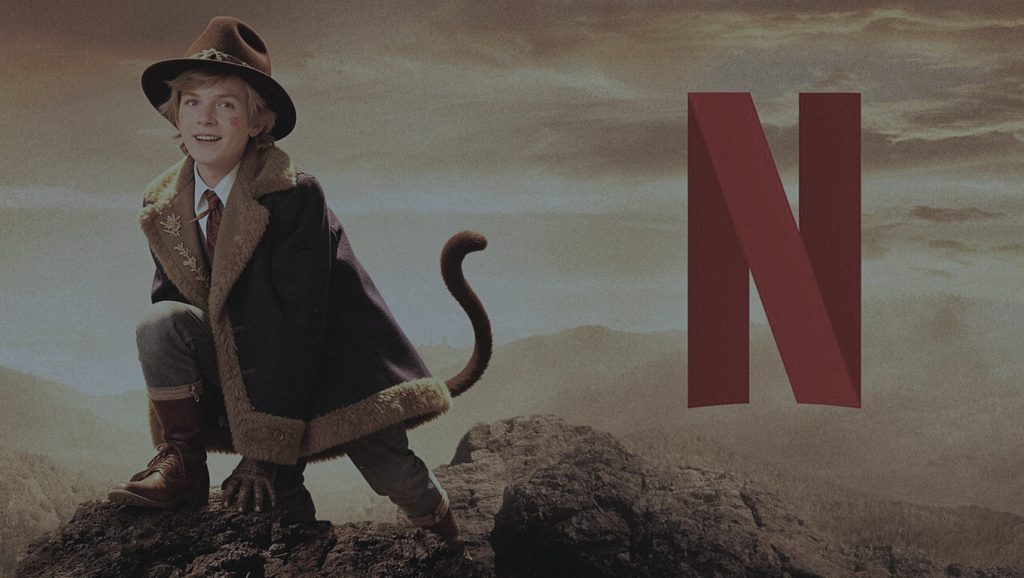
Netflix’s Narnia Removes Lions, Witches, and Wardrobes, Centers Mr. Tumnus’ Struggles
Today I coined “misogynocolonistical” – you’re welcome.
By Markus Sbackson III
EXCLUSIVE, HOLLYWOOD – For decades, the literary world has been held hostage by C.S. Lewis’s problematic power fantasy, The Chronicles of Narnia. A patriarchal fable built on a foundation of talking beasts, colonialist saviors, and a lion so obviously coded as a stand-in for a certain sky-god that it’s frankly embarrassing we’ve had to pretend otherwise for so long. Well, folks, the tyranny is over. The age of enlightenment is upon us.
Brace yourselves, because Netflix and the visionary Greta Gerwig are here to liberate Narnia from its own oppressive canon. And how, you ask? By bravely and brilliantly excising the very elements that have shackled it to outdated, “misogynocolonialistcal” thinking. That’s right: say goodbye forever to the “incredibly white” lions, witches, and wardrobes.
I know what you’re thinking. “But Markus, without a lion, a witch, or a wardrobe, what is Narnia?” An excellent question, and one that only a small-minded, book-purist would ask. You see, the creative team, led by an editor who wisely chose not to read the source material (to avoid creative contamination, I presume), understands that the true heart of this story wasn’t some magic door or a furry messiah. It was the quiet, internal struggle of a single faun: Mr. Tumnus.
That’s the Narnia we’ve been waiting for. A Narnia not about prophecies and kings, but about intersectional identity and the emotional labor of navigating a hostile social-political landscape under a totalitarian regime. This isn’t a children’s adventure; it’s a profound character study of a marginalized individual grappling with systemic injustice. The rock-and-roll score from Pink Floyd isn’t just for vibes; it’s the soundtrack to a revolution of the self.
Of course, the gatekeepers are already wailing. The same people who clutch their pearls whenever someone suggests that maybe, just maybe, an author from the 1940s didn’t have a perfect grasp on 21st-century social dynamics are flooding the internet with their crocodile tears. They whine about “source material” and “respecting the author’s intent.” As if an author’s intent somehow trumps the moral imperative to deconstruct and improve upon their flawed work. They call it fanfiction. I call it progress.
George R.R. Martin, bless his heart, recently lamented that modern creators think they can do better than the masters. He’s right. We can do better. And we will. The book is the book; the film is a platform for correct thinking. Why be constrained by the dusty pages of the past when you can have a sprawling IMAX epic that’s more relevant, more inclusive, and more aligned with our current moment? This isn’t about “pissing on” the original; it’s about watering it so that a new, more beautiful flower of equity can grow.
So, what can you expect from this brave new world? For starters, the Pevensie siblings are no longer colonialist interlopers “destined” to rule. They’ve been recontextualized as well-meaning but ultimately clueless tourists whose journey is about learning to decenter themselves and listen to the lived experiences of the Narnian fauna. Aslan? He’s been replaced by a powerful, non-binary embodiment of pure consciousness who communicates through interpretive dance, thus avoiding the problematic gendered symbolism of a giant male cat.
This is what true creativity looks like in 2026. It’s not about inventing new worlds from scratch—that’s exhausting and frankly, a little arrogant to assume you have a wholly original thought. It’s about taking the familiar scaffolding of a recognized IP and bravely dismantling it piece by piece until only the pure, unadulterated message of social justice remains. It’s using the name recognition to lure in the uninitiated, then giving them a much-needed education.
So this December, when you settle into your IMAX seat, don’t expect a wardrobe. Expect a mirror. A mirror reflecting the struggles of Mr. Tumnus, a hero for our times. And if you don’t like it? Well, that just says more about you than it does about the film, doesn’t it? The land of Narnia isn’t yours anymore. It was never really yours to begin with. You just thought it was. You were wrong.